
The shifting sands of gambling A historical perspective on its evolution
The Ancient Origins of Gambling
The roots of gambling can be traced back thousands of years to ancient civilizations. Archaeological evidence suggests that the earliest forms of gambling originated in China around 2300 BCE, where rudimentary games of chance used dice made from animal bones were prevalent. Similarly, the ancient Greeks and Romans engaged in various gambling activities, from betting on chariot races to playing games with dice. These early forms of gambling laid the groundwork for the expansive gambling culture we see today. Players can also experience engaging activities like an ice fishing demo version that combines excitement with skill.
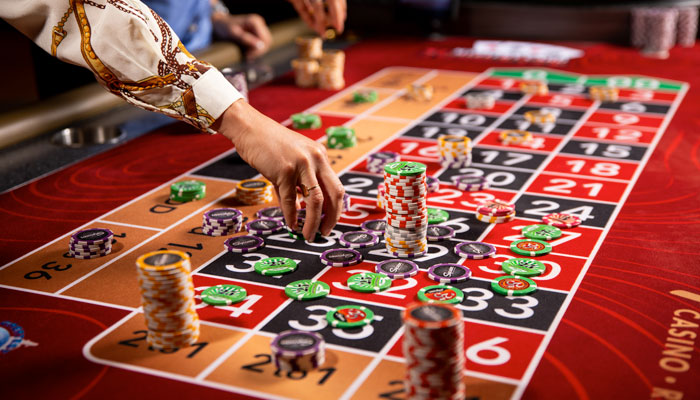
In these societies, gambling was often intertwined with social and religious practices, highlighting its importance in community life. For instance, the Romans not only bet on games but also used gambling as a means of socializing and bonding. As cultures evolved, so too did the methods and motivations behind gambling, transforming it into a significant aspect of human interaction.
The Rise of Casinos in the Modern Era
The 17th and 18th centuries marked a pivotal point in the evolution of gambling with the establishment of the first modern casinos. The Casino di Venezia, opened in 1638, is often credited as the first official casino, providing a dedicated space for a variety of games. This period also saw the emergence of iconic games like baccarat and roulette, which would go on to become staples in gambling establishments worldwide.
As European society became more affluent, the appeal of gambling grew. The lavish environments of casinos attracted the upper class, creating a sophisticated atmosphere where high-stakes games were played. The blend of opulence and thrill not only captivated players but also set the stage for the global casino phenomenon we recognize today.
The Influence of Technology on Gambling
The 20th century witnessed a technological revolution that significantly impacted gambling. The introduction of mechanical slot machines in the 1890s transformed the gaming landscape, making gambling more accessible to the masses. These machines offered simple gameplay and the allure of instant winnings, quickly becoming a favorite in bars and clubs across America.
As technology advanced, online gambling emerged in the late 1990s, further revolutionizing the industry. Virtual casinos provided players with the convenience of gambling from home, leading to a surge in participation. This shift not only expanded the audience for gambling but also introduced new dynamics, such as online poker and virtual sports betting, catering to a generation that values immediacy and accessibility.
The Changing Perceptions of Gambling
Throughout history, gambling has faced fluctuating perceptions, influenced by cultural, legal, and economic factors. In many societies, gambling was viewed as a vice, leading to restrictions and outright bans. However, as public attitudes shifted, especially in the late 20th century, many places began to see gambling as a legitimate source of entertainment and revenue.
This change in perception has also led to increased regulation and oversight, aiming to ensure fair play and protect vulnerable populations. Today, many countries have embraced legalized gambling, viewing it as a significant contributor to tourism and economic growth, while also recognizing the importance of responsible gambling practices.
Exploring the Future of Gambling
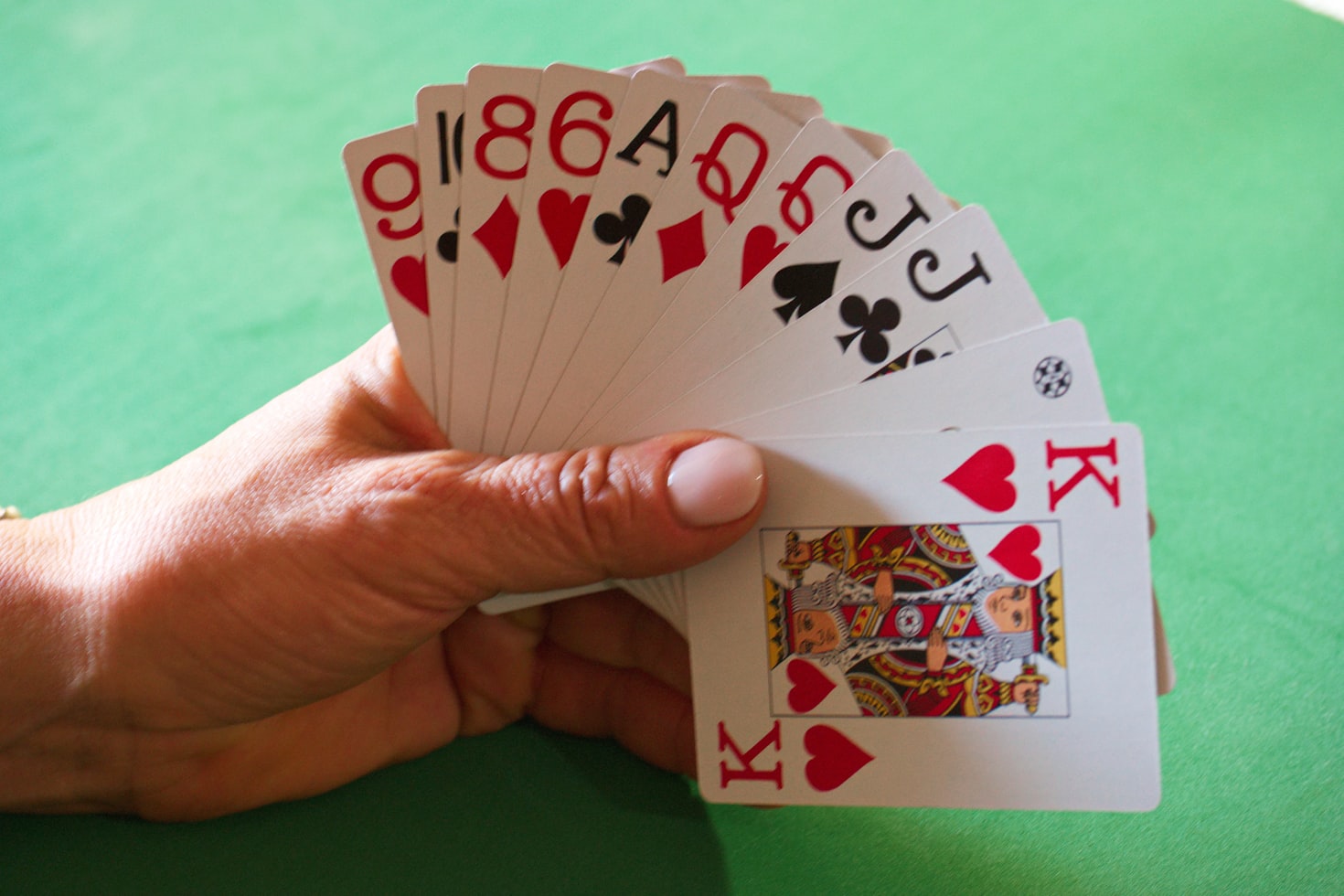
As we look to the future, the evolution of gambling continues to unfold. The rise of mobile gaming and virtual reality is poised to redefine how players engage with gambling platforms. Innovations such as augmented reality casinos and blockchain technology promise to enhance security and transparency, allowing for more immersive and trustworthy gambling experiences.
This ongoing transformation reflects the adaptability of gambling in response to societal changes and technological advancements. As the landscape continues to evolve, it remains essential for stakeholders to prioritize responsible gambling initiatives, ensuring that the excitement of gambling does not come at the expense of player welfare.